May Is the Starting Line
If you've lived in South Florida for more than one summer, you know what's coming. Starting in May and lasting through October, Palm Beach County averages over 8 inches of rain per month, with June through September being the wettest. Daily afternoon thunderstorms become the norm, humidity stays above 80%, and every exterior surface on your home is under constant assault.
Rainy season also overlaps with hurricane season, adding the possibility of tropical storms and hurricanes to the mix.
The smart move? Get everything done in the narrow window between now and late May while conditions are still dry and scheduling is still manageable. Once the rains start, exterior cleaning becomes harder to schedule, takes longer to dry, and competes with everyone else who waited too long.
Your complete pre-rainy season checklist, broken down by area:
Gutters and Drainage
Clean All Gutters and Downspouts
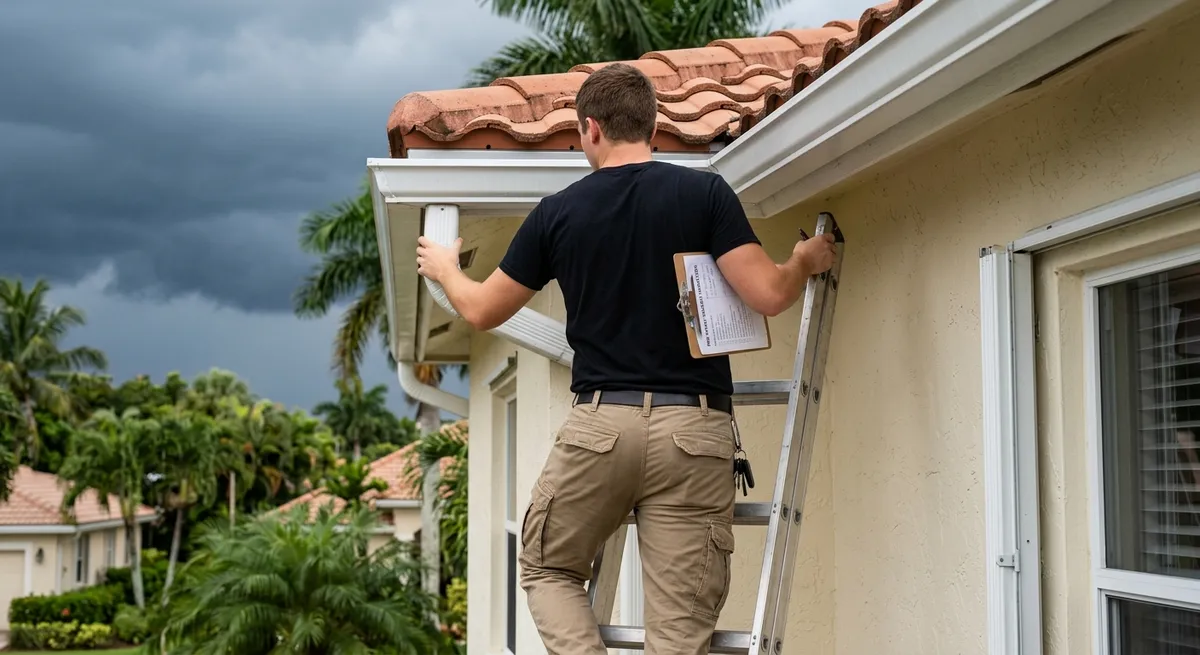
This is the single most important pre-rainy season task. Clogged gutters during a 2-inch-per-hour thunderstorm means water cascading over the edges, running down your walls, pooling around your foundation, and potentially flooding your landscaping.Look for accumulated debris (leaves, pollen paste, pine needles), blocked downspouts, loose gutter hangers or sagging sections, standing water that indicates improper slope, and yes, plants growing in your gutters. It happens more than you'd think.
To test downspouts, pour water in from the top and make sure it flows freely at the bottom.
Verify Downspout Extensions
Make sure your downspouts direct water at least 4-6 feet away from your foundation. Extensions that have shifted, disconnected, or been removed need to be reattached before heavy rains.Check Ground-Level Drainage
Walk your property during or after a light rain. Look for areas where water pools near the foundation, against walls, or in walkways. Address grading issues now—adding soil to redirect water away from the foundation is inexpensive prevention against expensive water intrusion.Roof Assessment
Schedule Soft Washing If Needed
If your roof has visible algae streaks, mold, or moss, clean it before rainy season. The constant moisture of summer will only accelerate growth on an already-compromised roof. Cleaning in dry weather also allows better results and faster drying.Inspect for Damage
Walk your property and look at the roof from ground level with binoculars:- Cracked, broken, or shifted tiles
- Missing or lifted shingles
- Damaged flashing around vents, skylights, and chimneys
- Debris accumulation in valleys
Check Roof Penetrations
Vent pipes, skylights, exhaust vents, and satellite dish mounts all penetrate your roof and rely on flashing and sealant to keep water out. Inspect these for cracked or deteriorated sealant.Exterior Walls and Paint
Soft Wash Exterior Walls
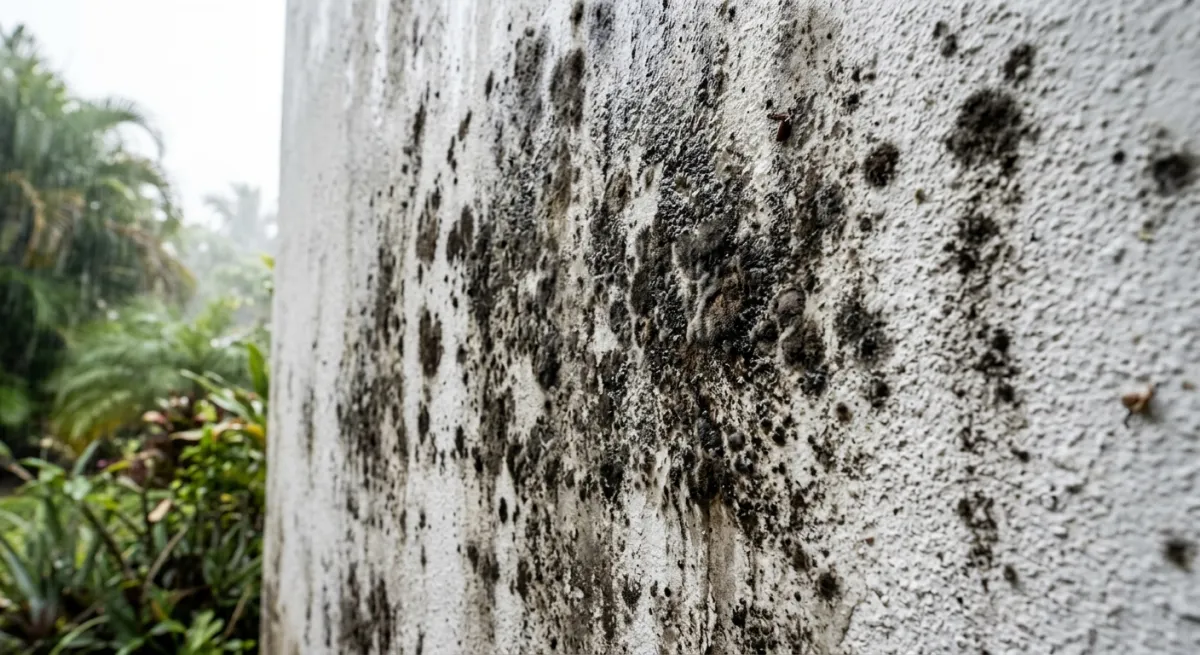
Mold and algae on your stucco walls will explode during the wet months. Starting the season with clean walls means you're not compounding six months of existing growth with six months of accelerated summer growth.Inspect Caulking and Sealant
Check around all windows, doors, and where different materials meet. Failed caulk allows water intrusion during wind-driven rain. Re-caulk any cracked, peeling, or missing sealant.Look for Stucco Cracks
Walk the perimeter of your home and look for cracks in the stucco. Even hairline cracks can allow significant water penetration during heavy rain, especially when combined with wind.Driveway, Walkways, and Hardscapes
Pressure Wash All Surfaces
Algae and organic growth on driveways and walkways becomes dangerously slippery when wet. During rainy season, these surfaces are wet constantly. Cleaning them now removes the slippery layer before the daily rains begin.Seal Pavers If Due
If your paver sealer is failing (water no longer beads on the surface, colors look faded), now is the time to reseal. Sealer needs dry weather to cure properly, about 24-48 hours without rain, and that window gets increasingly hard to find after May.Address Tripping Hazards
Shifted pavers, raised concrete joints, and tree root heaving all create tripping hazards that are harder to see during heavy rain. Fix these before someone trips.Pool Area
Clean the Pool Deck
A thorough pressure wash removes the algae layer that makes pool decks dangerous. Summer is peak pool season. Start it with a clean, safe surface.Check Pool Screen Enclosure
Inspect screen panels for tears or loose sections that could worsen in storms. Clean the enclosure so screens aren't carrying debris that could become projectiles in high winds.Verify Pool Drainage
Make sure your pool deck drainage is working properly. During heavy rain, water should flow away from the house, not toward it. Clogged deck drains can direct water against your foundation.Windows and Doors
Professional Window Cleaning
Clean windows before rainy season for two reasons: you'll be spending more time indoors looking out, and post-storm damage assessment is much easier through clean glass.Check Window and Door Seals
Weatherstripping and seals around windows and sliding glass doors degrade in Florida's UV-intense environment. Failed seals allow water intrusion during wind-driven rain. Replace any seals that are cracked, compressed, or missing.Test Storm Shutters
If you have hurricane shutters, test them now. Make sure all tracks are clear, fasteners are present, and panels fit properly. Discovering a problem during a hurricane warning is the worst possible timing.Landscaping and Vegetation
Trim Trees and Palms
Dead fronds, weak branches, and limbs overhanging your roof or structures should be removed before storm season. These become projectiles in high winds and dam your gutters even in normal rain.Clear Vegetation From Walls
Plants growing against your house trap moisture and promote mold growth. Cut back everything to maintain at least 12 inches of clearance from exterior walls.Refresh Mulch Around Foundation
Old, decomposing mulch can actually work against you—it holds moisture against your foundation. Replace it with fresh mulch that's graded to slope away from the house.The Professional Advantage
You can handle some of these tasks yourself—trimming trees, checking seals, testing shutters. But the cleaning tasks benefit enormously from professional equipment and expertise:
- Gutter cleaning is safer and more thorough with professional access equipment
- Roof work? Never get on your roof yourself. Professional soft washing is safe and effective.
- Commercial surface cleaners deliver even, streak-free pressure washing results
- Stucco soft washing requires proper chemical application and technique that's hard to DIY
In May we cleaned gutters on a house in Palm Beach Gardens where the homeowners had skipped two years of service. There were ferns growing in the back gutters -- actual rooted plants, a few inches tall. The downspout was completely blocked and had been backing water up against the fascia long enough to soften it. The fascia repair cost more than two years of gutter cleaning would have. The homeowners asked us to put them on an annual schedule going forward.
Don't Wait Until the First Storm
Our schedule fills up fast in late April and May as homeowners rush to prepare. The best time to book is right now, while scheduling is open and dry weather is still reliable. One visit can knock out the biggest items on this list. Get your free quote before the calendar fills up.